在我還沒反應過來已經開學的時候,我們已經做完了第一個project。
很幸運的我們這學期還是爭取到了Nancy(說是用搶的也不為過)。正是因為明白我們還缺乏很多基本而紮實訓練,所以不得不把握這最後一學期的MR1專屬設計課而加緊腳步了。
第一個小案子,是一個戶外的個人座位區。小歸小,要探討的基地關係卻很深入。更艱難的是,全部都要來鉛筆圖。於是我們從第一次的慘不忍睹開始.........
Fall 2007, NCTU MArch I Studio
The Ideal Outdoor Seating Area for One
Transforming spatial discrepancies into the absolute place
Goals:
1. To analyze and survey existing conditions.
2. To find out spatial discrepancies between different systems.
3. To create a personal space within the systems.
Define a personal space via the sitting surface:
What is an ideal outdoor seating space/surface for one person?
How is the space formed?
How can privacy be considered? How does one sit around, sit by or sit in the space? How should it be oriented?
What is the scale and size of the sitting surface? How does one identify the boundary of the space? (i.e. via column? parapet wall ? surface change? trees? bushes? elevation/section changes?)
Design Approach:
1. Find a location adjacent to the Department of Architecture Building that has a horizontal extension of at least one member/element such as stair, wall, walkway, floor, ceiling and etc. The place you find must consist of more than one system of structure, material, or construction elements. Look for places indicating construction from different periods of time and locations that has sectional changes.
2. Survey the conditions and analyze discrepancies found within the systems.
3. Design a personal seating area that addresses to the discrepancies found. The personal space’s construction method, structural system, architectonic form and materials utilized need to relate to the discrepancies found.
4. The personal space is required to be attached to the horizontal member at least on one side.
Project Schedule:
09/10 Mon. Project assigned
09/17 Mon Pin-up: survey drawings and site analyses
09/20 Thurs. Analyses of discrepancies in drawings and models
09/27. Mon. Pin-up: models and drawings showing the “personal space”
10/01 Mon. Final Review
Requirement for Final Review:
1. Analyses of site conditions and discrepancies found. (1:100 or 1:50)
2. Plan, sections and elevations of the “personal space”. (1:50, 1:20, 1:10)
3. 1:50 or 1:20 model showing the element and its context
4. Collage of the space within the context.
10 September, 2007

28 June, 2007
Ideal Workshop for Designers/Researchers of Issey Miyake
第二學期的最後一個案子,由Nancy來幫我們收。很有意思的一個題目,作為三宅一生品牌系列的的studio。基地很小,限制很多。目的是要我們在這樣的條件當中精準再精準。
一開始Nancy不是讓我們直接study ISSEY MIYAKE(三宅一生)的作品,而是先從兩個已經完成的case開始。OMA與Herzog & de meuron兩間分別在soho與Tokyo的PRADA,讓我們瞭解別的設計者是怎麼樣在建構品牌與建築的關係。
Fall 2006 NCTU, MArch I
Instructors: Chiyi Chang/ Nancy Lin
June 4, 2007
Ideal Workshop for Designers/Researchers of Issey Miyake
-understanding space through Issey Miyake’s concepts for textile
"Issey changed the concept of clothing"
"He has a Japanese side to him, but it's very modern, very simple, more futuristic."
– Kenzo
"I would be very happy if it was said of me that I had provided some keys to the 21st century,"
"All I can do is to keep experimenting, keep developing my thoughts further. Certain people think that the definition of design is the beauty of the useful, but in my own work I want to integrate feelings, emotion. You have to put life into it."
"Clothing has been called intimate architecture"
– Issey Miyake
Step One:
1. Divide the class into two teams of two and research Prada Epicenter in SOHO by OMA and Prada Epicenter in Tokyo by Herzog and DeMeuron. Each team is to be responsible for one store; comparison studies between the two stores are to be done by the entire class as one group. Key issues to be addressed are:
l How is PRADA perceived as a brand?
l What is the idea of PRADA perceived by OMA? And how is PRADA store reinterpreted as an Epicenter?
l What are the differences and similarities for Tokyo and Soho stores?
l How are clothing and fashion goods displayed and consumed?
l How does technology play a role in both fashion design and the architecture it entails?
l How do new materials affect architecture in these cases?
l How is the act of shopping changed by the space provided by the new stores?
l What is the relationship between the brand and the architecture in the store?
Step Two:
1. Each student is to choose one of the following brands by Issey Miyake:
l Haat
l ME
l A-POC
l Pleats Please
l Issey Miyake
2. Analyze the design concept for the brand.
3. Interpret the relationship between body and cloth.
4. Understand how art and fashion, nature and technology, innovation and tradition, east and west are represented and translated into the design.
5. Document your research and findings in the forms of diagrams and models.
Step Three
1. Design a 6m x 6m x 6m studio/workshop for the designers of the brand you chose.
2. The studio/workshop need to reflect the spirit of the brand in terms of structural system, material, spatial arrangement, site strategy and etc.
3. Program/spaces necessary for the studio/workshop can be interpreted by each student.
4. The building is to be located along the “Aoyama of Taipei”, a fashion street with a similar atmosphere like Aoyama imagined to be established in Taipei.
Project Schedule:
06/04 Project assigned
06/07 Case Study of PRADA: Group presentation.
06/11 Pin-up: Analysis of your chosen brand by Issey Miyake.
06/14 Pin-up: Design Concept
06/18 Desk Critique
06/21 Desk Critique
06/25 Desk Critique
06/28 Final Review
Requirement for Final Review:
1. Concept Models
2. Analytical diagrams
3. Final Model at least at 1:20.
4. Architectural Drawings: Plan, Section, Elevation at least at 1:20


一開始Nancy不是讓我們直接study ISSEY MIYAKE(三宅一生)的作品,而是先從兩個已經完成的case開始。OMA與Herzog & de meuron兩間分別在soho與Tokyo的PRADA,讓我們瞭解別的設計者是怎麼樣在建構品牌與建築的關係。
Fall 2006 NCTU, MArch I
Instructors: Chiyi Chang/ Nancy Lin
June 4, 2007
Ideal Workshop for Designers/Researchers of Issey Miyake
-understanding space through Issey Miyake’s concepts for textile
"Issey changed the concept of clothing"
"He has a Japanese side to him, but it's very modern, very simple, more futuristic."
– Kenzo
"I would be very happy if it was said of me that I had provided some keys to the 21st century,"
"All I can do is to keep experimenting, keep developing my thoughts further. Certain people think that the definition of design is the beauty of the useful, but in my own work I want to integrate feelings, emotion. You have to put life into it."
"Clothing has been called intimate architecture"
– Issey Miyake
Step One:
1. Divide the class into two teams of two and research Prada Epicenter in SOHO by OMA and Prada Epicenter in Tokyo by Herzog and DeMeuron. Each team is to be responsible for one store; comparison studies between the two stores are to be done by the entire class as one group. Key issues to be addressed are:
l How is PRADA perceived as a brand?
l What is the idea of PRADA perceived by OMA? And how is PRADA store reinterpreted as an Epicenter?
l What are the differences and similarities for Tokyo and Soho stores?
l How are clothing and fashion goods displayed and consumed?
l How does technology play a role in both fashion design and the architecture it entails?
l How do new materials affect architecture in these cases?
l How is the act of shopping changed by the space provided by the new stores?
l What is the relationship between the brand and the architecture in the store?
Step Two:
1. Each student is to choose one of the following brands by Issey Miyake:
l Haat
l ME
l A-POC
l Pleats Please
l Issey Miyake
2. Analyze the design concept for the brand.
3. Interpret the relationship between body and cloth.
4. Understand how art and fashion, nature and technology, innovation and tradition, east and west are represented and translated into the design.
5. Document your research and findings in the forms of diagrams and models.
Step Three
1. Design a 6m x 6m x 6m studio/workshop for the designers of the brand you chose.
2. The studio/workshop need to reflect the spirit of the brand in terms of structural system, material, spatial arrangement, site strategy and etc.
3. Program/spaces necessary for the studio/workshop can be interpreted by each student.
4. The building is to be located along the “Aoyama of Taipei”, a fashion street with a similar atmosphere like Aoyama imagined to be established in Taipei.
Project Schedule:
06/04 Project assigned
06/07 Case Study of PRADA: Group presentation.
06/11 Pin-up: Analysis of your chosen brand by Issey Miyake.
06/14 Pin-up: Design Concept
06/18 Desk Critique
06/21 Desk Critique
06/25 Desk Critique
06/28 Final Review
Requirement for Final Review:
1. Concept Models
2. Analytical diagrams
3. Final Model at least at 1:20.
4. Architectural Drawings: Plan, Section, Elevation at least at 1:20


11 June, 2007

16 May, 2007
Thinking
這學期開始,平行進行的兩門設計課,把我們搞的天翻地覆。
一邊是Borden曾柏庭老師帶的麥當勞設計案,以出書的規格進行圖像設計以及概念的表達。前面的概念發想大致完成,到了這步田地,痛苦的平立剖還是得硬擠出來。另一邊是基義老師的house案,每個人不同的基地特性、不同的program設定,目前邁入修平面修模型的無限迴圈。
兩個案子的差異性其實很大,我卻兩邊都很困惑。
我所接受的訓練,是一套必須在邏輯方法下所推演出來的概念。目前最大的問題在於概念如何轉換成可以看的平面、可以使用的空間。以現階段的操作模式來說,我會從邏輯分析的方法去求得一個圖像或是一些線條來表達我的概念,之後應該就follow著這些概念圖像去轉換成立體的空間。在轉換成漂亮的平面的過程當中,這些線條跟空間必須做很多的調整。有時候我甚至覺得,調整到最後我follow的到底是什麼?
這又回歸到基義老師之前跟我們講的兩種設計方法。
一種是靠著謹慎而且精密的邏輯推理去完成所有空間機能的配置手法,另一種是僅靠著一個簡單的概念不斷的去強化發展而成為一棟建築。現在的我,屬於第一種。因為我總覺得沒有辦法說服我自己的概念,我也無法去說服別人。所以我常常會需要去找一種邏輯的方法去推導,但是這樣的設計其實是危險的。因為邏輯一旦被推翻,你所有的概念都會變得不成立。現在大師們的設計走向,其實都是朝向第二種了。把很簡單的東西很用力的做得很有趣,這樣就夠了。我不知道我什麼時候才能達到那樣的境界...
把概念轉換成平面的過程跟方法有很多種。昨天跟小陽聊了一下,我覺得他講的很對。底圖只有一張,但是能創在出來的線條可以有很多種。我一直覺得這種取最佳解的方法好像很笨也很不客觀,但小陽提到一個條件限制的問題。
限制越多,出來的答案也越絕對。
在這麼多種可能的平面,最重要的是哪一個才最能表達你的概念。這首先要瞭解自己的概念核心是哪一個,哪一項東西是永遠不能放的。我承認我有時候真的想的不夠清楚,所以平面改來改去,改不到自己最喜歡的那一個。當所有的條件跟限制都在遵循自己概念的條件下一一浮現的時候,能夠選擇的就只剩下一個。唯一解也是最佳解就出現了,而且無懈可擊。
一邊是Borden曾柏庭老師帶的麥當勞設計案,以出書的規格進行圖像設計以及概念的表達。前面的概念發想大致完成,到了這步田地,痛苦的平立剖還是得硬擠出來。另一邊是基義老師的house案,每個人不同的基地特性、不同的program設定,目前邁入修平面修模型的無限迴圈。
兩個案子的差異性其實很大,我卻兩邊都很困惑。
我所接受的訓練,是一套必須在邏輯方法下所推演出來的概念。目前最大的問題在於概念如何轉換成可以看的平面、可以使用的空間。以現階段的操作模式來說,我會從邏輯分析的方法去求得一個圖像或是一些線條來表達我的概念,之後應該就follow著這些概念圖像去轉換成立體的空間。在轉換成漂亮的平面的過程當中,這些線條跟空間必須做很多的調整。有時候我甚至覺得,調整到最後我follow的到底是什麼?
這又回歸到基義老師之前跟我們講的兩種設計方法。
一種是靠著謹慎而且精密的邏輯推理去完成所有空間機能的配置手法,另一種是僅靠著一個簡單的概念不斷的去強化發展而成為一棟建築。現在的我,屬於第一種。因為我總覺得沒有辦法說服我自己的概念,我也無法去說服別人。所以我常常會需要去找一種邏輯的方法去推導,但是這樣的設計其實是危險的。因為邏輯一旦被推翻,你所有的概念都會變得不成立。現在大師們的設計走向,其實都是朝向第二種了。把很簡單的東西很用力的做得很有趣,這樣就夠了。我不知道我什麼時候才能達到那樣的境界...
把概念轉換成平面的過程跟方法有很多種。昨天跟小陽聊了一下,我覺得他講的很對。底圖只有一張,但是能創在出來的線條可以有很多種。我一直覺得這種取最佳解的方法好像很笨也很不客觀,但小陽提到一個條件限制的問題。
限制越多,出來的答案也越絕對。
在這麼多種可能的平面,最重要的是哪一個才最能表達你的概念。這首先要瞭解自己的概念核心是哪一個,哪一項東西是永遠不能放的。我承認我有時候真的想的不夠清楚,所以平面改來改去,改不到自己最喜歡的那一個。當所有的條件跟限制都在遵循自己概念的條件下一一浮現的時候,能夠選擇的就只剩下一個。唯一解也是最佳解就出現了,而且無懈可擊。
25 April, 2007


24 April, 2007
20070419 Midterm review in J.J. Pan
下午看完紅樓之後,我們還沒六點就到了潘冀事務所。開始匆忙的布置場地、匆忙的貼圖、匆忙的設定投影螢幕。然後就在一陣混亂當中,順序排在第一個的我上場了......。
很難得Borden邀請到很多很棒的老師參與我們這次的期中評圖,包括蘇重威、漆志剛、sonia等等。其實報告的時候不緊張,算是順利的講完。反而在跟老師的討論當中學到很多東西,更蹦出很多新的想法。的確,我的邏輯推導跟整個概念都還不是很完善,多虧漆老師跟蘇老師幫我指出了幾個矛盾的點。思考著我如何讓麥當勞與博物館的結合並分完全暴力而存在著空間性質的和諧,我想我還需要多去強化我的"MERGE"。動線的流暢以及是否為單一性也還需要再做調整。分析的東西不夠多,我需要更大量的資訊去好好架構出一個完整的program,而不是僅憑藉著空間機能的大小去排列。
總之對我來覺得這次評圖真的學到很多東西。有時候空間做得太多太趕,反而沒有好好停下來去檢視每一個步驟的發展是否完善。目前我們期中的進度是六個禮拜,前面的概念已經發想的差不多了,希望接下來的四個禮拜能夠朝向更空間的語言去發展。大家,加油!


很難得Borden邀請到很多很棒的老師參與我們這次的期中評圖,包括蘇重威、漆志剛、sonia等等。其實報告的時候不緊張,算是順利的講完。反而在跟老師的討論當中學到很多東西,更蹦出很多新的想法。的確,我的邏輯推導跟整個概念都還不是很完善,多虧漆老師跟蘇老師幫我指出了幾個矛盾的點。思考著我如何讓麥當勞與博物館的結合並分完全暴力而存在著空間性質的和諧,我想我還需要多去強化我的"MERGE"。動線的流暢以及是否為單一性也還需要再做調整。分析的東西不夠多,我需要更大量的資訊去好好架構出一個完整的program,而不是僅憑藉著空間機能的大小去排列。
總之對我來覺得這次評圖真的學到很多東西。有時候空間做得太多太趕,反而沒有好好停下來去檢視每一個步驟的發展是否完善。目前我們期中的進度是六個禮拜,前面的概念已經發想的差不多了,希望接下來的四個禮拜能夠朝向更空間的語言去發展。大家,加油!


20070419紅樓劇場
原有傳統的紅樓劇場整修後,留下歷史文化的古老香氣。正八角型的古典型式,每一個方位都有不同之功能與面向。頂上交織的木架構新增的鋼構桁架,豐富了整個建築元素。
最近我們跟交大的音樂所合作,音樂所在5/26的展演場地由我們來規劃布置。初探紅樓,感觸良多。期待我們和音樂所在這裡有一個好的開始和美好的經驗。

最近我們跟交大的音樂所合作,音樂所在5/26的展演場地由我們來規劃布置。初探紅樓,感觸良多。期待我們和音樂所在這裡有一個好的開始和美好的經驗。

McDonald's Studio Midterm Review
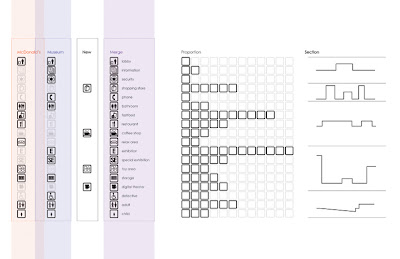
這學期Borden(曾柏庭)帶了一個有關麥當勞的再生設計案,大致上是希望以出書的方向前進規劃,所以最後的版面都將統一格式。每個人有各自不同的主題,思考未來趨勢的麥當勞、不同的麥當勞。相同的是,這些麥當勞都不是以往舊有的甚至已經不是麥當勞了。
麥當勞會不會由名詞變成形容詞甚至變成動詞?
What's the McDonald's NEXT?
我從使用者的知覺感官出發,思考著我們希望在麥當勞裡獲得什麼,更希望獲得的是什麼......




麥當勞會不會由名詞變成形容詞甚至變成動詞?
What's the McDonald's NEXT?
我從使用者的知覺感官出發,思考著我們希望在麥當勞裡獲得什麼,更希望獲得的是什麼......


23 April, 2007


28 February, 2007
安藤忠雄建築之旅之三:司馬遼太郎紀念館、狹山池博物館、兵庫縣立美術館
以簡潔一致的光影線條,刻畫出安藤對於司馬遼太郎的尊重與敬仰;以巨大大的量體和流動的水,紀念著狹山堤;兩方一圓,營造兵庫縣立美術館整體的藝術性質以及周邊的社區營造。
可以說狹山池的水完完全全的感動了我。以前從圖面上、照片上看到的,都遠不及那輕拂過臉上的些微水氣真實。聲響亦然、畫面亦然,視覺上的衝擊和如此磅礡的氣勢,我體驗了水和山在建築裡的力量。
我到現在都還想念著那聲響和臉上的濕氣。

可以說狹山池的水完完全全的感動了我。以前從圖面上、照片上看到的,都遠不及那輕拂過臉上的些微水氣真實。聲響亦然、畫面亦然,視覺上的衝擊和如此磅礡的氣勢,我體驗了水和山在建築裡的力量。
我到現在都還想念著那聲響和臉上的濕氣。

26 February, 2007
安藤忠雄建築之旅之二:淡路夢舞台
十年養成的一樹一木,還原著淡路島的原始植被。被海包圍的是山,被山包圍的是水。海之教堂的鐘聲和白色貝殼,氛圍純潔冷冽。百段苑層疊連綿,向上引導著淡路島的視線邊界。
我們種下櫻花樹,等待著下一個十年。


我們種下櫻花樹,等待著下一個十年。


安藤忠雄建築之旅之一:真言宗水御堂
第一次見識到安藤的清水混凝土,每一個洞每一條縫,精準兩個字。由荷花池畔下切延伸至地底的廟宇,注入光線。一切紅的沈靜穩重。
空間的連貫和純粹加上與光線的自然對話,這就是安藤。

空間的連貫和純粹加上與光線的自然對話,這就是安藤。

26 January, 2007
參訪
上個學期是個新鮮又充滿活力的一個開始。初踏入所謂建築的領域,我喜歡這樣的學習跟思考方式,不斷挑戰著自己的創意與設計能力,不斷的在壓力下腦力激盪。
實地走訪,對設計來說是一門很重要的體驗。不身入其境,有些空間你永遠不會瞭解。
2006.09.30 台北 信義計畫區


2006.12.15-17 宜蘭黃聲遠


實地走訪,對設計來說是一門很重要的體驗。不身入其境,有些空間你永遠不會瞭解。
2006.09.30 台北 信義計畫區


2006.10.08 十分雙溪

2006.11.26-27 高雄愛河


2006.12.04 東海評圖

2006.12.05 實踐參訪

2006.12.15-17 宜蘭黃聲遠


Subscribe to:
Posts (Atom)